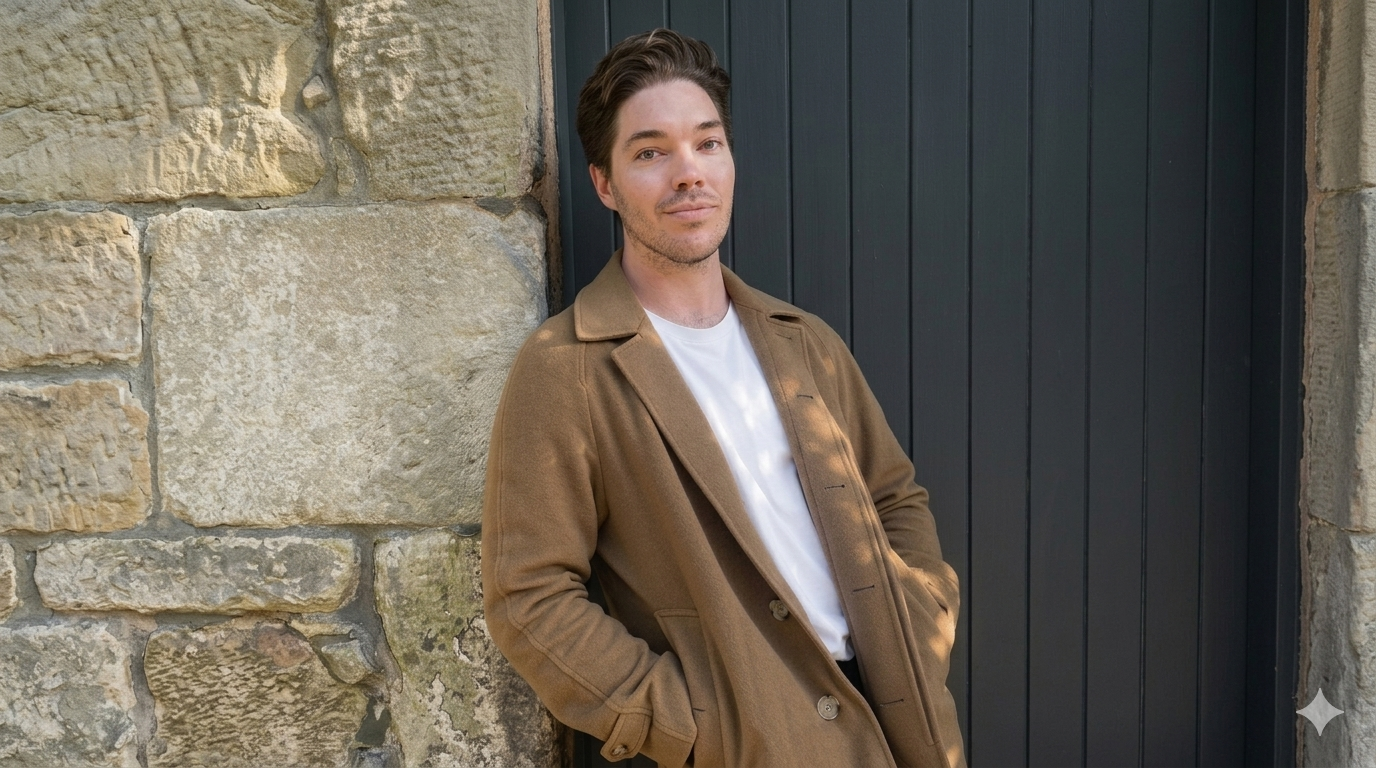
Hi, I’m Mitch gainey.
I came into this work through real-world experience, not just training.
Early in my career I worked with homeless young people, survivors of torture and trauma from refugee backgrounds, and communities navigating complex, high-pressure environments. That work shaped something fundamental in how I practice. It required approaches that are grounded, practical, and able to hold intensity without becoming abstract.
Over time, I trained in a number of modalities that now form the backbone of my work:
Focusing (Eugene Gendlin)
Inner Relationship Focusing (Ann Weiser Cornell lineage)
Evidence-Based EFT (Dr Peta Stapleton)
Internal Family Systems (IFS)
Ongoing training in Somatic Experiencing
What matters is not the number of modalities, but how they come together.
At the centre of my work is a simple principle:
Real change happens when we can stay in contact with what is actually being felt, without overwhelming the system or bypassing it.
This is what I help people do.
I do not diagnose or treat mental health disorders. I work as a therapeutic practitioner within a clear scope of practice, with ongoing supervision and professional development.
My work is particularly suited to:
people experiencing anxiety, overwhelm, or burnout
those who feel stuck despite insight or prior therapy
practitioners wanting to deepen their capacity and precision
individuals at points of change who want to move forward in a grounded way
My Approach
Most people try to change by thinking about their problems.
That helps to a point. But lasting change does not come from insight alone. It comes from working with the deeper processes that sit underneath thought, in the body.
What we do
In sessions, we work with what is actually present, rather than what we think should be happening.
That might include:
physical sensations
emotional patterns
images or impressions
parts of you that feel stuck, conflicted, or unclear
Instead of pushing through or analysing from a distance, we stay with these experiences in a way that is regulated, precise, and respectful of your system.
what this looks like
Sessions are collaborative and responsive.
At times, I may guide you closely. At other times, I will step back and allow something to unfold.
We might use:
Focusing to access and articulate felt experience
EFT tapping to regulate intensity and support integration
parts work to understand internal dynamics
structured reflection to bring clarity where needed
There is no rigid script. The process follows what is alive and relevant.
what you can expect
People often report:
feeling understood quickly, without needing to over-explain
a sense of safety that allows deeper material to emerge
shifts that feel embodied, not just intellectual
greater clarity and capacity to move forward
Not every session is dramatic. But over time, something steady begins to change.
Research across somatic psychology, memory reconsolidation, and affective neuroscience shows that lasting change happens when emotional and procedural memory is accessed in a state of safety and updated through new experience, not just intellectual understanding.
This is why the work often feels different.
It is slower at the surface, but more direct at the level where change actually occurs.
There is also a contemplative dimension to this work.
Practices of sustained attention, inner listening, and non-interference have long been recognised across contemplative traditions as essential to transformation. These same qualities are increasingly reflected in modern therapeutic approaches.
In practice, this means creating the conditions where something deeper can emerge and reorganise, rather than forcing change from the outside.